Healing Crystals: Meaning and How People Use Them
Small stones, big meanings, and an honest look at what they can and cannot do
Healing crystals are stones like clear quartz, amethyst and rose quartz that many people believe carry calming or helpful qualities. People hold them while they meditate, keep them on a desk or place them under a pillow. There is no scientific proof they heal, but many people find the ritual helps them slow down and focus.
At a glance
- Each crystal has its own traditional meaning, like calm for amethyst and love for rose quartz.
- People use them as reminders during meditation, work or sleep.
- There is no scientific proof that crystals heal the body.
- Much of the calm seems to come from the ritual and your intention.
- Selenite dislikes water, and some stones fade in the sun.
- Bright yellow citrine is often heat-treated amethyst.
What Are Healing Crystals?
Healing crystals are natural stones and minerals that people use for comfort, focus and spiritual practice. The idea is that each stone has its own quality, and that keeping it close can help you feel a certain way.
People have treasured stones for a very long time. Ancient Egyptians wore lapis lazuli and turquoise in jewelry and amulets. The ancient Greeks gave many stones their names, and some of those names still tell a story today.
Modern crystal healing grew popular in the 1970s and 1980s with the rise of new age ideas. Today you will find crystals in yoga studios, gift shops and on many bedside tables.
Common Healing Crystals and Their Meanings
These are the stones most people start with, and what they are traditionally believed to mean:
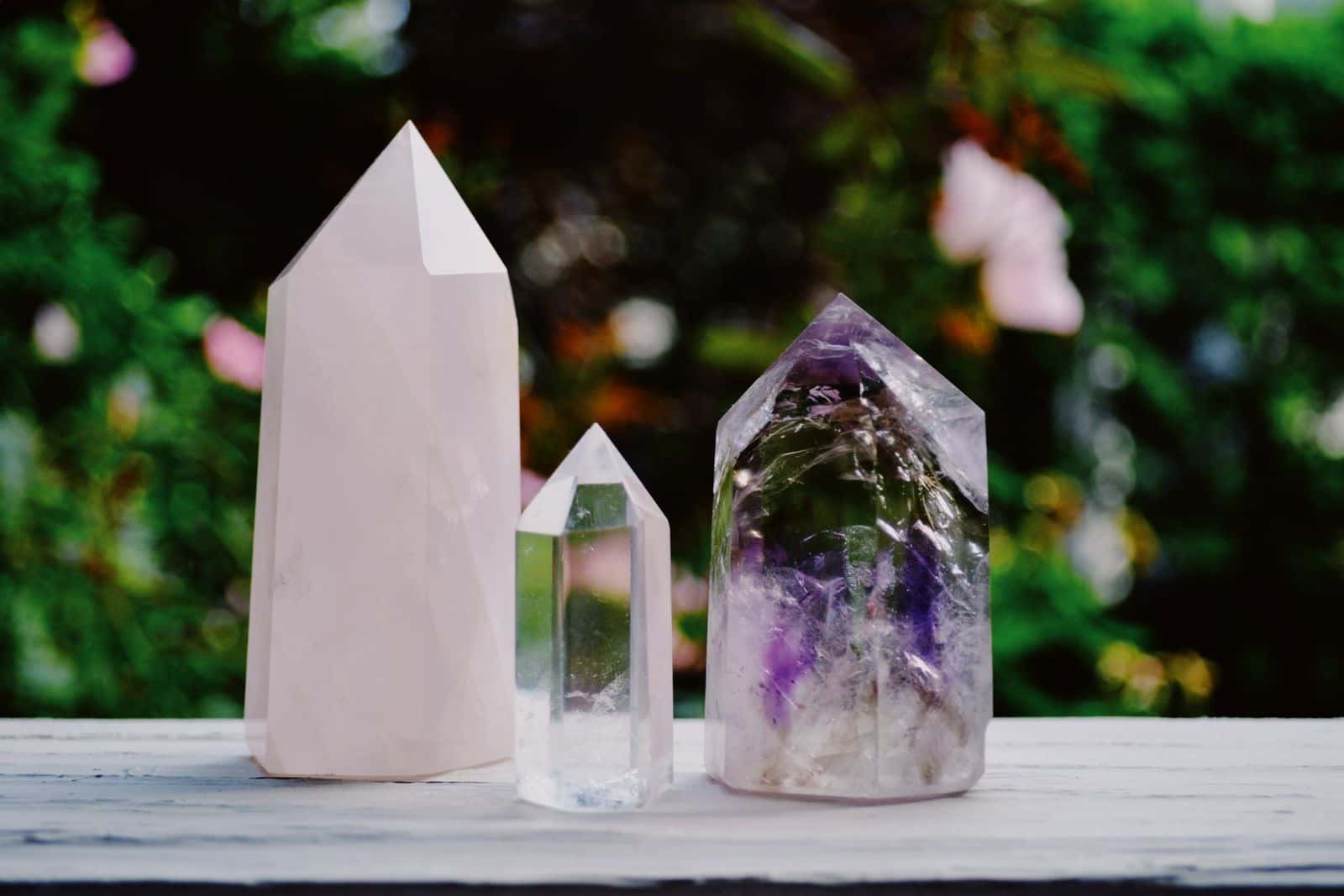
- Clear quartz: Often called the 'master healer'. People use it for clear thinking and to set an intention.
- Amethyst: A purple quartz linked to calm, sleep and prayer. Its Greek name means 'not drunk', because people once believed it protected against drunkenness.
- Rose quartz: A soft pink stone known as the stone of love. People use it for self-love, kindness and healing a hurting heart.
- Black tourmaline: A dark stone many people use for protection and feeling grounded. Some keep it near the front door.
- Citrine: A golden yellow stone linked to joy, confidence and money. It is sometimes called the merchant's stone.
- Selenite: A white, silky stone named after Selene, the Greek goddess of the moon. People use it for peace and to 'cleanse' other crystals.
These meanings come from tradition and belief, not from science. Two books may give slightly different meanings for the same stone. If a crystal means something personal to you, that meaning counts too.
How People Use Healing Crystals
There is no one right way. These are the most common:
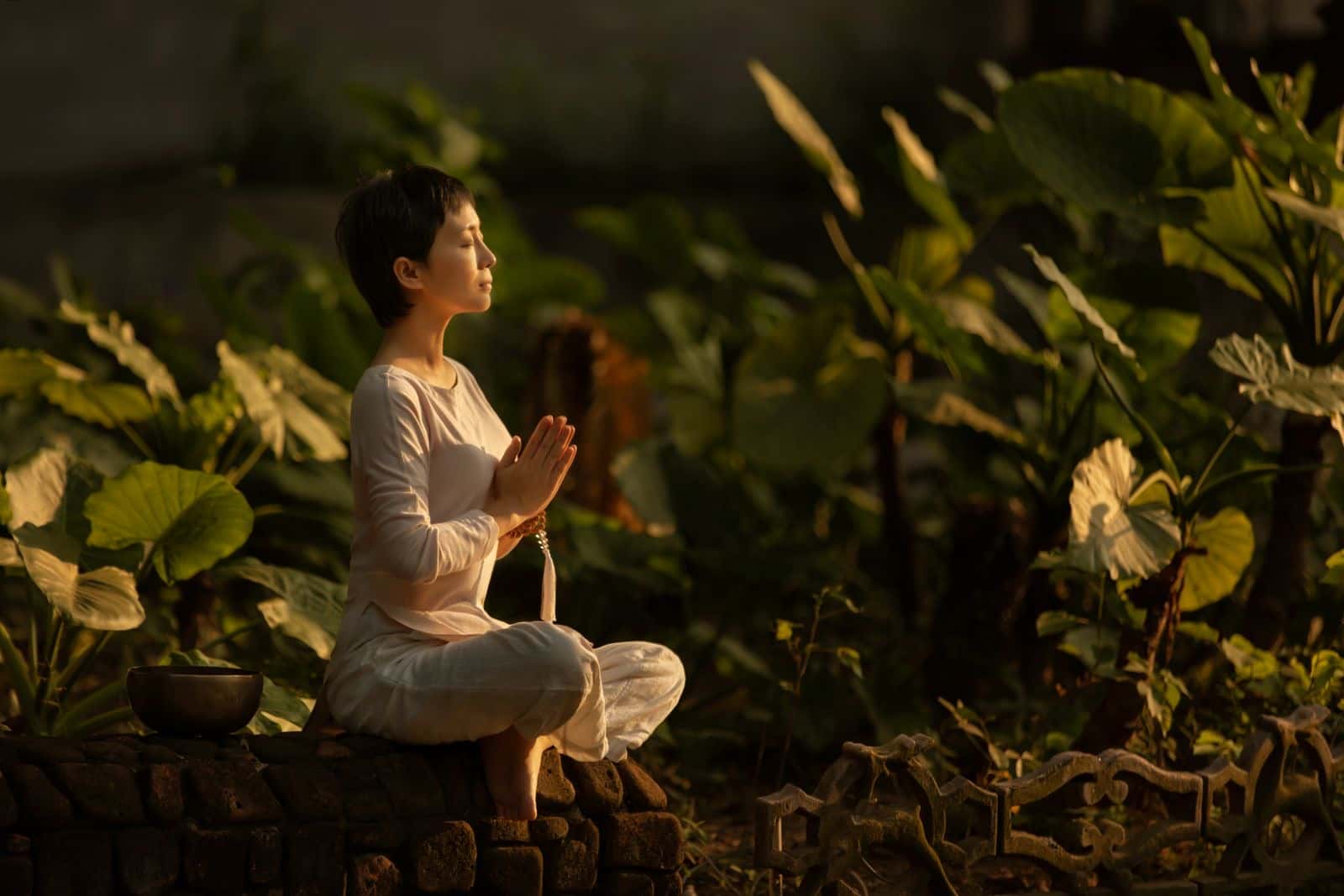
- Holding one in meditation: Hold a stone in your hand while you breathe slowly. Its weight and coolness give your mind something simple to rest on.
- On a desk: A piece of clear quartz or citrine on your desk can remind you of a goal each time you see it.
- Under a pillow: Many people keep amethyst or rose quartz by the bed for calm sleep. Choose a smooth stone so it does not poke you.
- Carrying one: A small tumbled stone in a pocket can be a quiet reminder during a hard day.
Here is a simple way to begin:
- 1ChoosePick the stone you are drawn to. Do not overthink it.
- 2Set an intentionHold it and say one short line, like 'I want to feel calm today.'
- 3Place itPut it somewhere you will see or touch it often.
- 4PauseEach time you notice it, take one slow breath and remember your intention.
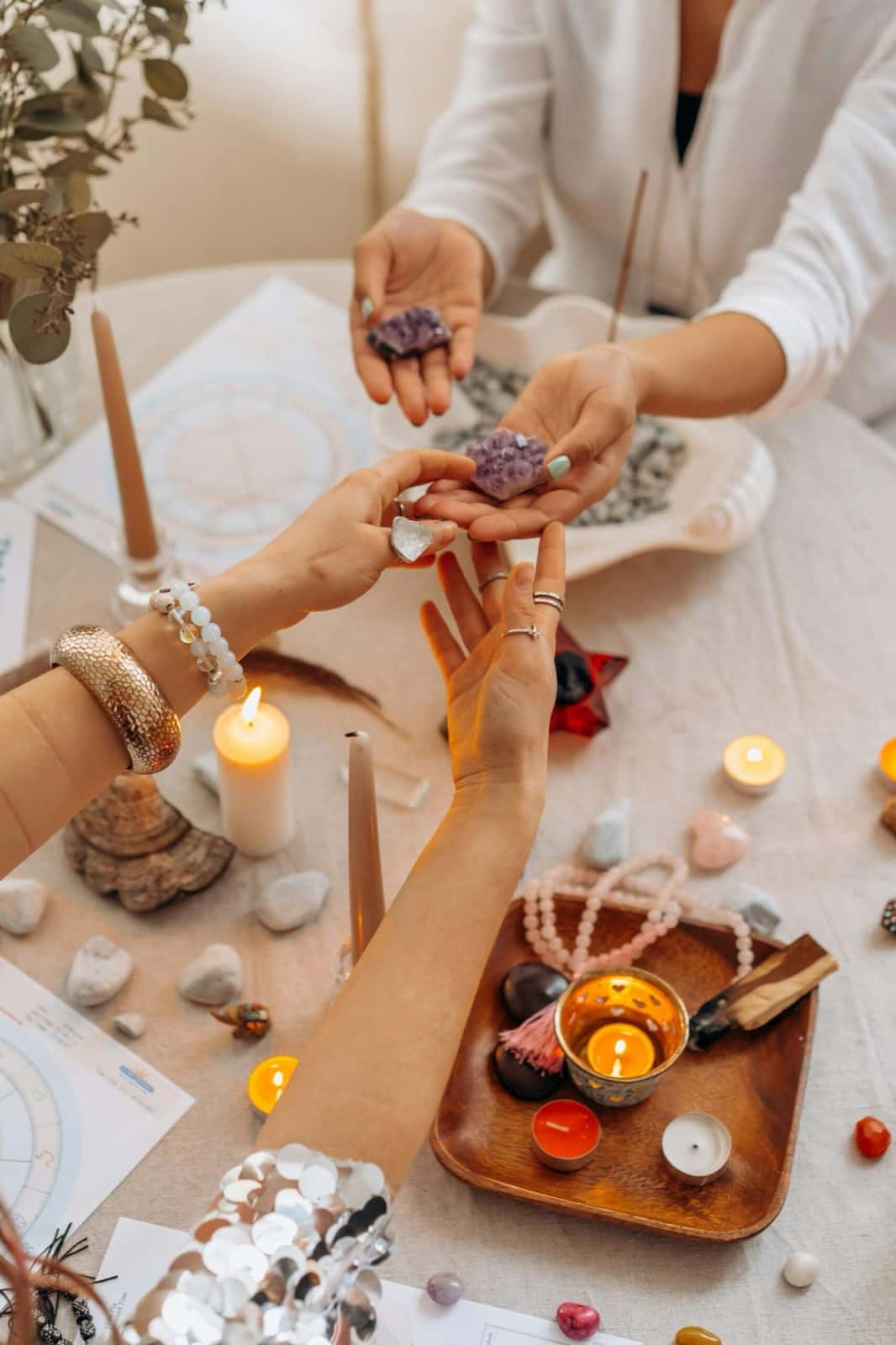
Some people also use crystals during reiki or other practices of spiritual healing.
Do Healing Crystals Really Work?
Here is the honest answer. There is no scientific proof that crystals can heal illness or change your body. In one small study in the UK, some people held real quartz and some held fake glass stones. Both groups reported similar tingling and calm feelings.
That does not mean the calm is fake. It suggests the good feeling comes from the ritual, the pause and your intention. Holding a stone and breathing slowly is a real way to slow down. For many people, that is enough.
Crystals should never be used in place of medical care. If you have pain, a new symptom or an ongoing illness, see a doctor. If you are struggling with anxiety or low mood, talk to a doctor or therapist. In a crisis, call your local emergency number, or in the US call or text 988.
Caring for and Buying Crystals
A little care keeps your stones looking good:
- Keep selenite dry: Selenite is very soft and can be damaged by water. Wipe it with a dry cloth instead.
- Watch the sun: Amethyst, rose quartz and some other stones can fade if they sit in bright sunlight for a long time.
- Store gently: Soft stones scratch easily. Keep them in a cloth bag or apart from harder stones.
- Cleansing: Many people 'cleanse' crystals with moonlight, sound or a bowl of rice. This is a belief, but it can be a nice ritual.
When you buy, keep a few things in mind. A lot of bright yellow or orange 'citrine' is really amethyst that has been heated. Natural citrine is usually paler and more even in color. Some stones are also dyed or made of glass.
If you are drawn to crystals, ask yourself
- What feeling do I want more of right now?
- Which stone keeps catching my eye, and why?
- How can I use it as a reminder to pause and breathe?
Questions people ask
What are healing crystals?
Do healing crystals really work?
Which crystal is best for beginners?
Can selenite get wet?
Sources and further reading
- Crystal healing, Wikipedia
- Citrine, Wikipedia
Did this resonate with you?
Published September 29, 2026. Last updated September 29, 2026. For reflection only, not medical advice.
Related meanings
Other signs and guides people read next.