Reiki and Energy Healing: What They Are and What to Expect
A gentle, hands-on practice from Japan, explained simply and honestly
Reiki is a form of energy healing that began in Japan in the 1920s. A practitioner places their hands lightly on or just above your body, with the aim of helping life energy flow and your body relax. Many people find it deeply calming, but research on its health effects is limited, so use it next to medical care.
At a glance
- Reiki was developed by Mikao Usui in Japan in the early 1920s.
- The name joins two Japanese words, often translated as 'spiritual' or 'universal' and 'life energy'.
- In a session you lie down fully clothed while the practitioner rests hands on or above you.
- Research is limited and mixed. Many people say it helps them relax.
- Reiki is safe as an add-on, but it should never replace a doctor.
What Is Energy Healing?
Energy healing is a name for practices based on one idea: that a life force flows through every person. When it flows well, people believe you feel calm and well. When it gets stuck, you may feel tired, tense or low.
The idea is very old. In China it is called qi. In India it is prana. In Japan it is ki. Energy healers try to help this force move freely, often through touch, breath or quiet focus.
Some well known kinds of energy healing are:
- Reiki: Light touch or hands held just above the body. It is the most popular form in the West.
- Qigong: A Chinese practice of slow movement, breathing and focus that you do yourself.
- Therapeutic Touch: A method started by a nurse in the United States in the 1970s, often done with the hands above the body.
Energy healing is one part of the bigger picture of spiritual healing, which also includes prayer, meditation and forgiveness.
What Is Reiki Healing?
Reiki was developed by a Japanese man named Mikao Usui in the early 1920s. The story told by most reiki schools is that it came to him after a long period of fasting and meditation on Mount Kurama, near Kyoto. He opened a clinic and school in Tokyo and taught many students before he died in 1926.
The word has two parts. Rei is often translated as 'spiritual' or 'universal'. Ki means life energy. Put together, people often explain reiki as 'universal life energy'.
One of Usui's students, Chujiro Hayashi, trained a Japanese American woman named Hawayo Takata. She brought reiki to Hawaii in the late 1930s, and from there it spread across the United States and the world.
Reiki is usually taught in levels:
- First level: You learn the hand positions and how to give reiki to yourself and others.
- Second level: You learn a few symbols, and many schools teach sending reiki from a distance.
- Master level: You learn to teach and to pass reiki on to new students.
At each level, the teacher gives an attunement. This is a short, quiet ritual that practitioners believe opens the student to the reiki flow.
What Happens in a Reiki Session
A first session can feel a bit mysterious, so here is what usually happens:
- 1A short chatThe practitioner asks how you feel and if anything hurts. Tell them about any health problems.
- 2Lie downYou lie on a padded table, fully clothed. Some people sit in a chair instead.
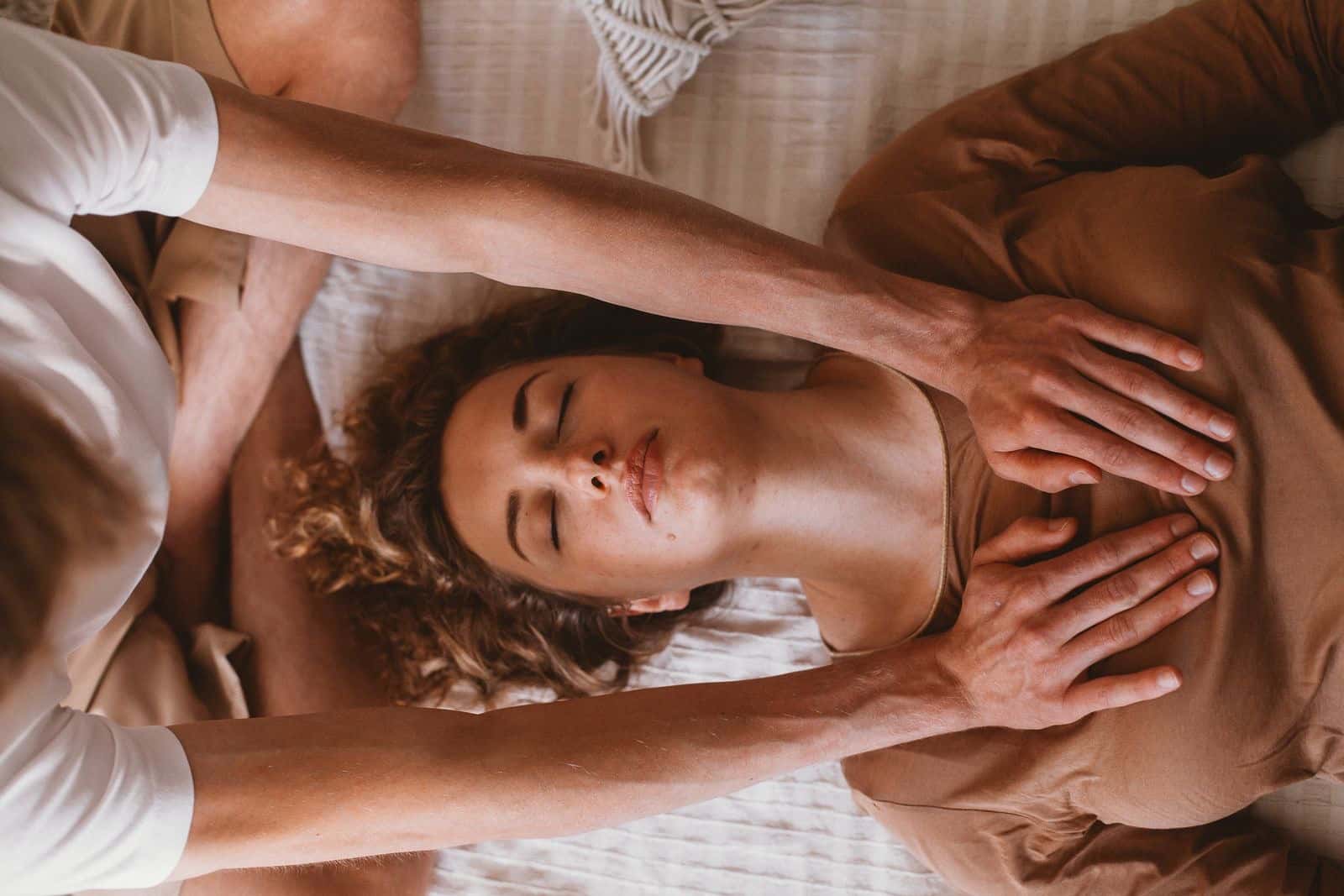
- 3Hands on or aboveThe practitioner places hands lightly on your head, shoulders, belly and legs, or holds them just above you. Each spot lasts a few minutes.
- 4RestThe room is quiet, often with soft music. Many people feel warmth, tingling or deep calm. Some fall asleep.
- 5Close and talkAt the end you sit up slowly and drink some water. You can share what you noticed.
A session often lasts about an hour. You should never be asked to undress, and you can ask the practitioner to keep hands off any area at any time.
Does Reiki Work? What Research Says
Here is the honest answer. There is no scientific proof that a life energy exists, or that reiki moves it. Studies of reiki are mostly small, and their results are mixed. The US National Center for Complementary and Integrative Health says there is no strong evidence that reiki helps any health problem.
At the same time, many people say reiki helps them relax, sleep better and feel cared for. That matters. Some hospitals and cancer centers in the US offer reiki to patients for comfort, next to their normal treatment.
Reiki is gentle and seen as low risk. The real danger is using it in place of medical care. If you have pain, a new symptom or an illness, see a doctor first. If you feel very low or anxious, talk to a doctor or therapist. In a crisis, call your local emergency number, or in the US call or text 988.
How to Find a Reiki Practitioner
Reiki is not licensed in most places, so it is up to you to choose well. These tips help:
- Ask about training: A good practitioner will tell you who trained them and what level they reached.
- Look for honesty: They should say reiki supports relaxation and well-being. Walk away from anyone who promises to cure an illness.
- Keep your doctor: A safe practitioner never asks you to stop medicine or skip treatment.
- Fair prices: Be careful with big package deals or pressure to book many sessions at once.
- Trust your gut: You should feel safe, respected and in control the whole time.
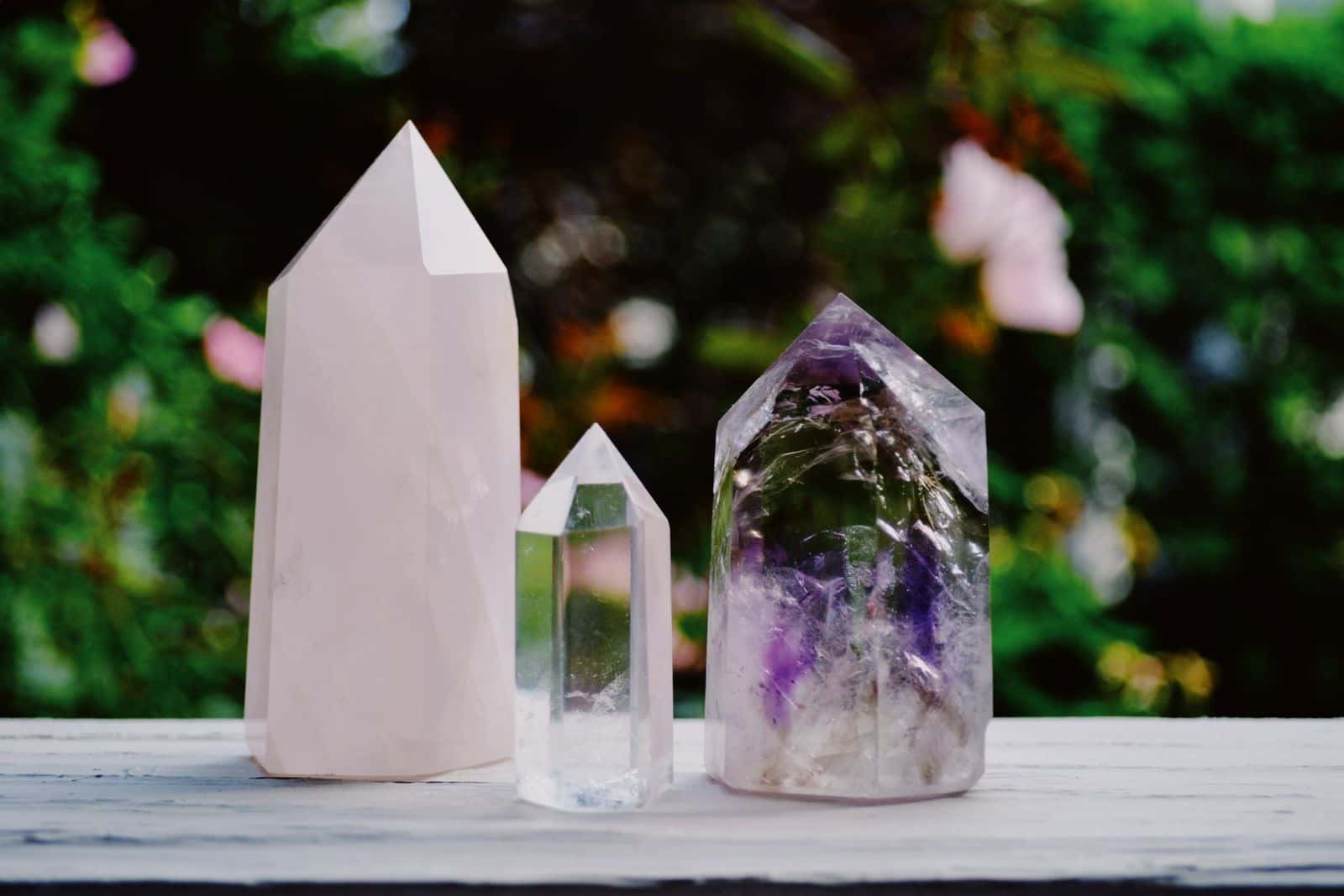
Some people also like to hold a stone during a session. If that interests you, read our guide to healing crystals.
If you are curious about reiki, ask yourself
- What am I hoping to feel after a session?
- Am I looking for rest and comfort, or am I hoping to avoid a doctor's visit?
- Would I feel more at ease with a practitioner someone I trust has tried?
Questions people ask
What is reiki healing?
What does reiki feel like?
Is reiki safe?
Who invented reiki?
Sources and further reading
Did this resonate with you?
Published September 29, 2026. Last updated September 29, 2026. For reflection only, not medical advice.
Related meanings
Other signs and guides people read next.