
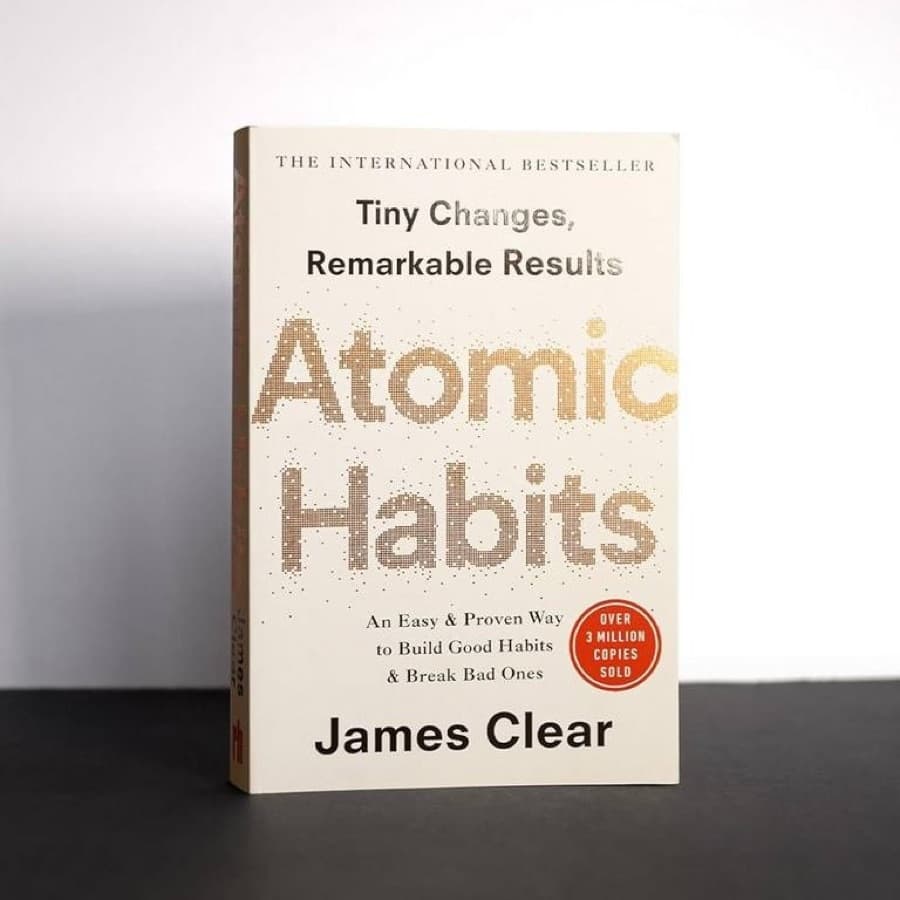
Atomic Habits: An Easy & Proven Way to Build Good Habits
How tiny, steady changes add up to a big difference over time
Best for
- People who want to build a daily practice
- Anyone who keeps starting and quitting
- Readers who like clear, practical steps
- People working on self-care and routines
Atomic Habits is a practical book about how small daily habits add up over time. James Clear gives four simple laws to build good habits and break bad ones. It is one of the most useful books you can read if you want steady, lasting change.
You do not rise to the level of your goals. You fall to the level of your systems.
Key lessons
- 1
Small changes add up
Getting just 1% better each day can lead to big changes over a year.
- 2
Systems beat goals
A goal is where you want to go. A system is the daily steps that get you there.
- 3
Change who you are
Focus on the person you want to become, not only on the result you want.
- 4
Make it easy
The easier a habit is to start, the more likely you are to do it.
- 5
Your space shapes you
Set up your home so good habits are easy to see and bad habits are hard to reach.
What Is Atomic Habits About?
Atomic Habits by James Clear came out in 2018. It quickly became one of the most popular books about habits ever written.
The word 'atomic' means very small, like an atom. It also points to something with great power. That is the big idea of the book. Tiny habits, done again and again, can change your whole life.
Clear does not ask you to change everything at once. He shows you how to make small changes that are easy to keep. Over time, these small wins add up, a bit like money growing in a savings account.
It is not a spiritual book in the usual sense. But many people on a spiritual path love it, because it helps them turn good ideas like meditation, journaling or gratitude into real daily practice.
A Short Summary of Atomic Habits
Clear explains that every habit follows a simple loop: a cue, a craving, a response and a reward. From this loop he builds his four laws of behavior change.
- 1Make it obviousPut the cue for a good habit where you will see it. Leave your yoga mat out, or your journal on your pillow.
- 2Make it attractiveLink the habit to something you enjoy. For example, only listen to your favorite podcast while you go for a walk.
- 3Make it easyMake the first step tiny. Clear's 'two minute rule' says to shrink a new habit to something you can start in two minutes.
- 4Make it satisfyingGive yourself a small, quick reward. Ticking off a box on a habit tracker can be enough.
To break a bad habit, you flip the laws. Make it invisible, unattractive, hard and unsatisfying. For example, put your phone in another room at night.
The Main Ideas Explained Simply
- The 1% rule: Small changes seem to do nothing at first. But getting a little better each day adds up to a big change over months and years.
- The plateau: Often you do not see results for a while. Clear says the work is still adding up, like ice that only melts once it reaches the right temperature.
- Identity-based habits: Instead of 'I want to meditate', think 'I am a calm person who meditates'. Each time you do the habit, you cast a vote for that person.
- Habit stacking: Tie a new habit to one you already do. 'After I pour my morning coffee, I will take three deep breaths.'
- Never miss twice: Missing one day is normal. Try not to miss two days in a row, so the habit does not slip away.
The heart of the book is kindness toward yourself. You do not fail because you are lazy or weak. Often, your system just needs a small fix.
What We Liked and What Could Be Better
What we liked:
- Very practical: Every chapter ends with simple steps you can try right away.
- Clear and friendly: The writing is easy to follow, with short chapters and helpful stories.
- Works for any goal: You can use the ideas for health, work, money or your spiritual practice.
What could be better:
- Some repeats: The main ideas come up many times. Some readers feel the book could be shorter.
- Not much on the inner life: It is about actions and systems. It does not go deep into feelings, faith or meaning.
- Not a cure for everything: If you are dealing with depression, addiction or big life stress, habits alone may not be enough. Please reach out to a doctor or counselor.
How to Use Atomic Habits in Daily Life
Here is a simple way to start a spiritual habit using the ideas from the book:
- 1Pick one habitChoose just one, like meditation, prayer, gratitude or journaling.
- 2Make it tinyStart with two minutes. One minute of quiet breathing counts.
- 3Stack itLink it to something you already do. 'After I brush my teeth, I will sit and breathe for two minutes.'
- 4Set up your spaceKeep your cushion, candle or journal where you will see it every day.
- 5Track itPut a small mark on a calendar each day you do it. Watch the chain grow.
- 6Be gentleIf you miss a day, just start again the next day. Never miss twice.
If this book speaks to you, ask yourself
- What kind of person do I want to become?
- What is one tiny habit that person would do every day?
- What in my home makes my good habits harder than they need to be?
Questions people ask
What is the main idea of Atomic Habits?
What are the 4 laws of Atomic Habits?
Is Atomic Habits worth reading?
What is the two minute rule?
Sources and further reading
- Atomic Habits, Wikipedia
- James Clear, Wikipedia
- Atomic Habits, James Clear
- Habit, Wikipedia
Did this resonate with you?
Published July 16, 2025. Last updated September 29, 2026.
More books
Other calm reads for your path.
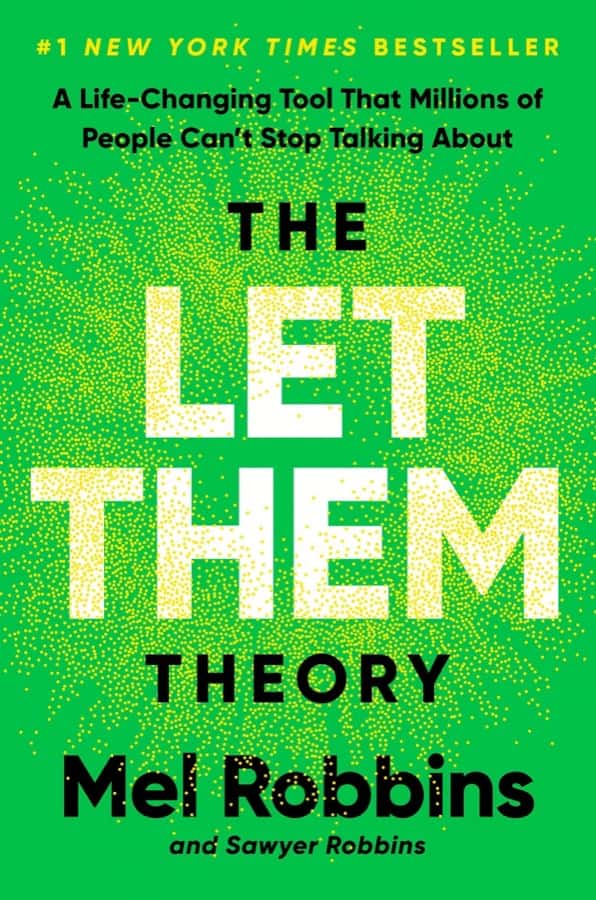
The Let Them Theory
Mel Robbins shows how to stop wasting energy on what other people do, and put it back into your own life with two simple words.
Read the review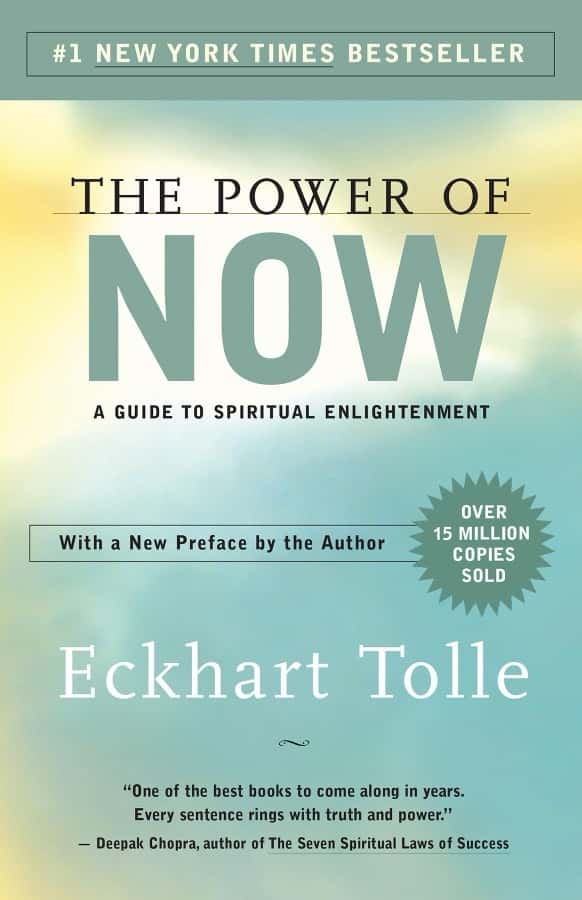
The Power of Now
Eckhart Tolle shows how much of our pain comes from living in our thoughts, and how to find peace by coming back to this moment.
Read the review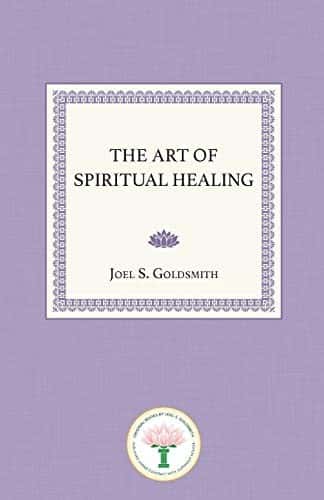
The Art of Spiritual Healing
Joel Goldsmith teaches that spiritual healing comes from resting in the presence of God, not from trying to fix things. A deep, older book for patient readers.
Read the review